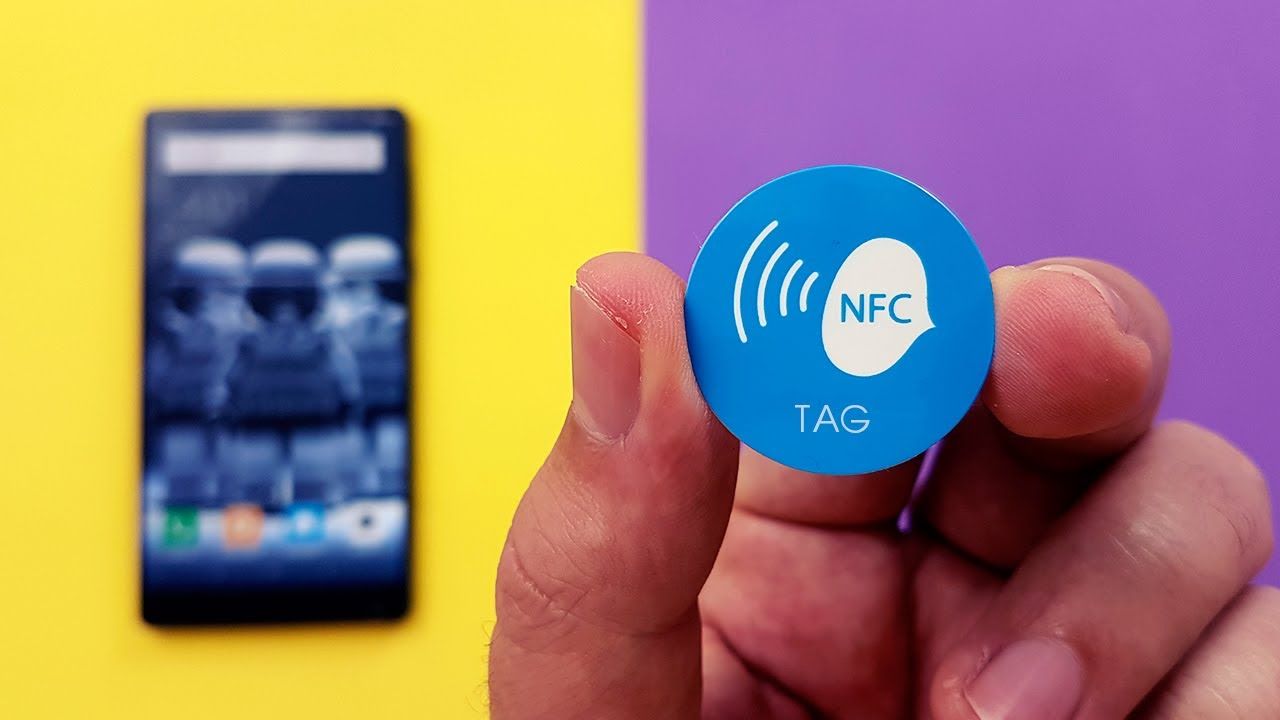
NFC has come a long way since the days of RFID, being used more and more in the lives of everyday people. NFC continues to be constantly improved to this very day.


Radio Frequency Identification, otherwise known as “RFID”, would be patented in 1983 by Charles Walton and become the basis on which NFC would be built, with many fundamental elements of how RFID operates being emulated and improved on in the development of near field communication. The most notable development being the movement away from proprietary technology, as well as a larger focus placed on usability in the lives of everyday consumers.
Common applications of NFC can be found in contactless payment systems, social networking, as well as enabling the sharing of one’s personal contacts, photos, videos, and even files. Even more so, we see that NFC is found in items that we come into contact with almost every day, such as credit cards and smartphones. Not to limit NFC to “business-related” applications, we even see NFC being used in entertainment settings, such as Nintendo's Amiibos line of video game figurines becoming connected to our virtual worlds; all through the use of near field communication.
NFC allows for two NFC-enabled devices to communicate with one another when in very close proximity. Be as NFC is an inexpensive, general means to device communication, the usefulness of implementing NFC technology can be seen in everything from Bluetooth speakers to automobiles to even business cards.